The Digital Nomad Fitness Routine 2026: Complete Guide to Staying Fit on the Move
The proven fitness routine for digital nomads — 4-day weekly template, no-equipment workouts, and nutrition tips.
The nomad life sells you on freedom. Nobody warns you about the fitness collapse that hits somewhere between month three and month six.
New city every few weeks. Unpredictable food. Broken sleep. And that fitness routine you had at home? Gone. You keep saying "I'll figure it out at the next stop." The next stop never comes.
Here's the exact weekly template I use — and that I've now watched work for 100+ nomads I've coached through this.
Built from personal experience across Bali, Lisbon, Mexico City, Chiang Mai + Digital Nomad Fitness research + Nerd Fitness + Freaking Nomads.
The 30-second answer
Digital nomad fitness = 4 workouts/week, 20-30 min each, no equipment needed. Morning workouts wherever you are (before excuses build). Bodyweight + resistance bands cover 90% of needs. Walk 10,000+ steps daily exploring cities. Consistency > intensity. Missing 1-2 workouts/month is normal; missing 3+ leads to progressive fitness loss.
The core principle: minimum viable fitness
You are not going to hit peak physique on the road. Accept that. What you can do is maintain 90% of your strength and mobility with 3-4 hours of effort per week. That's the goal.
The weekly template
Seven days, four workouts, one long walk. Everything scalable to any city, any hotel, any energy level.
Monday — Push (30 minutes)
For chest, shoulders, triceps.
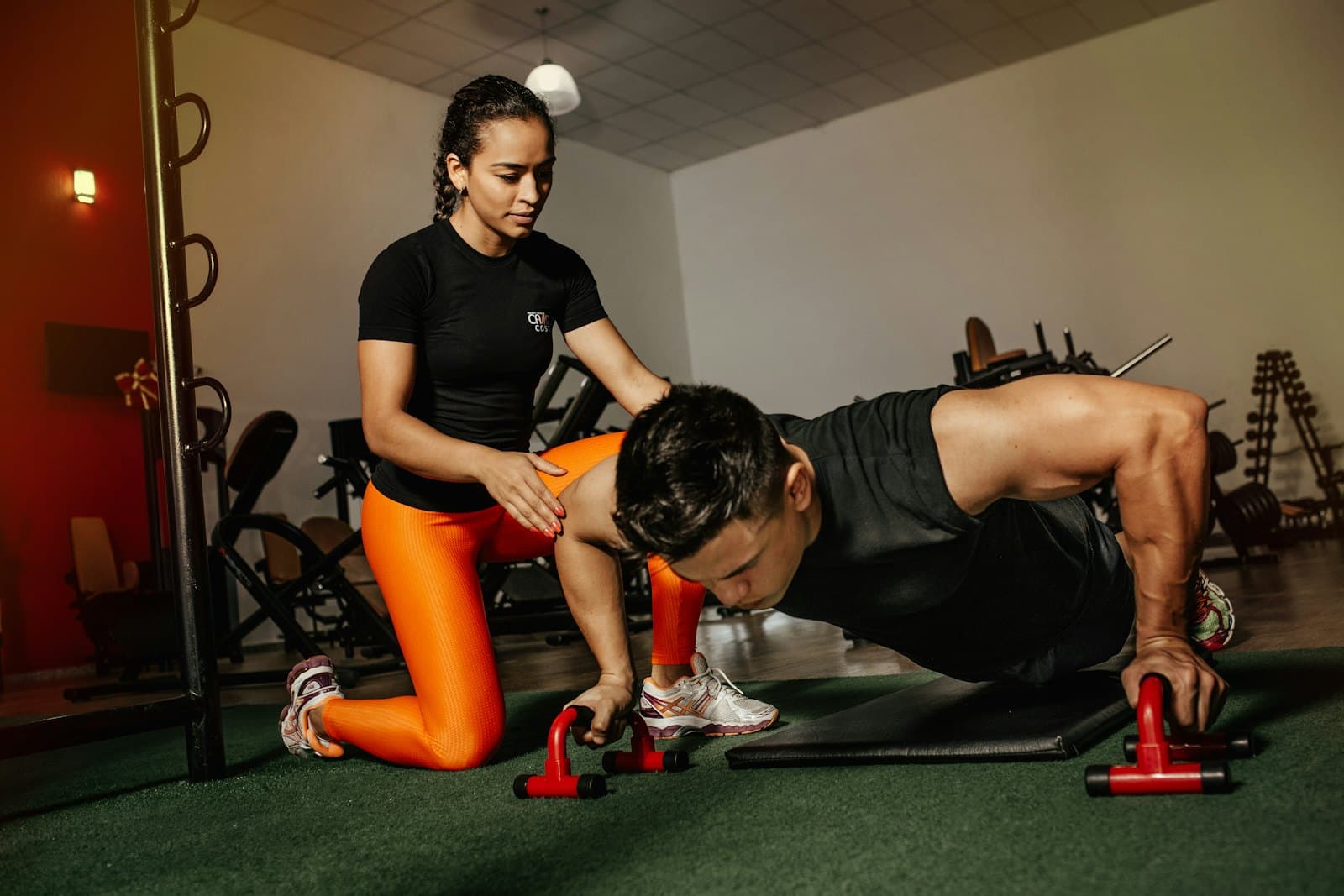
- 4 sets of push-ups: 12-15 reps
- 4 sets of pike push-ups: 8-10 reps
- 3 sets of dips (on a chair or bench): 10 reps
- 3 sets of triceps push-ups: 8 reps
- Finish: 60-second plank
Progression: when 15 push-ups feels easy, elevate feet on a bed.
Wednesday — Pull + Core (30 minutes)
The hardest one on the road because pull movements need something to pull on.
- 4 sets of inverted rows (under a table): 8-12 reps
- 3 sets of resistance band rows: 12 reps
- 3 sets of superman holds: 20 seconds
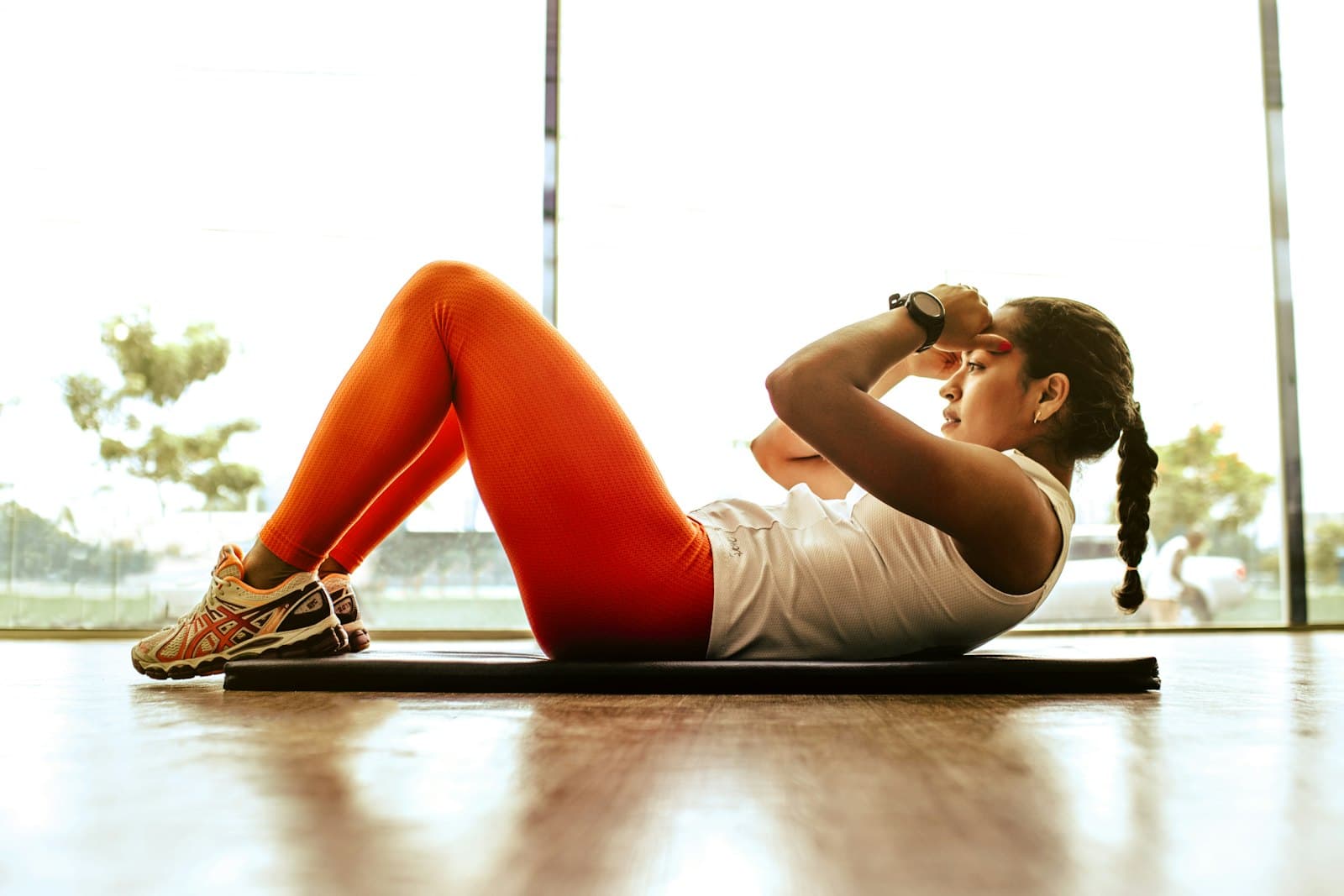
- 3 sets of bicycle crunches: 20 reps
- Finish: 60-second dead hang if you find a pull-up bar in a park
Friday — Legs (30 minutes)
The one people skip. Don't.
- 4 sets of Bulgarian split squats (foot on bed): 10 each leg
- 3 sets of jump squats: 15 reps
- 3 sets of single-leg glute bridges: 12 each
- 3 sets of walking lunges: 20 total steps
- Finish: 60-second wall sit
Sunday — Long walk / hike (60-90 minutes)
Not a workout — a reset. Any city has walking. Explore. This maintains cardio and mental health simultaneously.
The equipment worth carrying (under 2 kg total)
Resistance band set (500g). Rs 800-1,500. Unlocks 20+ exercises. Best purchase for nomad fitness.
Jump rope (200g). Rs 300-500. Best cardio conditioning available.
Foldable yoga mat (600g). Rs 1,000-2,500. Silent workouts, joint protection.
Collapsible water bottle (100g). Rs 500-1,000. Hydration in every location.
That's it. Total weight: under 2 kg. Total cost: Rs 3,000-5,500.
Optional upgrades:
- Weighted vest (2-5 kg): Rs 3,000-5,000. Progression when bodyweight becomes too easy.
- Suspension trainer (TRX-style): Rs 2,000-3,500. More muscle activation via instability.
- Doorway pull-up bar: Only if long-stay accommodations (bulky).
The nutrition rules for nomads
You can't outrun bad food. Here are the four rules that keep nomads lean without obsessive tracking:
1. Protein at every meal
Eggs, paneer, chicken, fish, tofu, protein powder. If it's not there, add it. This one rule alone changes everything.
2. One "assembled" meal a day
Buy groceries. Assemble a meal yourself. Restaurant food is 30-40% higher calories than it looks — you cannot afford three of those a day for weeks.
3. Alcohol max twice a week
No exceptions. If your travel week has a wedding, it costs you two other nights. Alcohol destroys sleep + hydration + workout recovery.
4. Water: 3L minimum
Buy a 1L bottle in every new city on day one. Track it visually.
The sleep protocol
Fitness dies with bad sleep faster than it dies with bad food.
- Same bedtime, local time, every night. Boring but non-negotiable.
- No screens 45 minutes before bed. Read a paperback.
- One coffee only, before noon.
- Blackout curtains or eye mask. Non-negotiable in cities with light pollution.
- Cool room (18-20°C) — crank AC when possible.
See our complete sleep guide for the full protocol.
Nomad hub-specific advice
Bali (Canggu)
Digital nomad capital. Fitness ecosystem excellent:
- Surfing schools everywhere
- Yoga studios on every corner
- Running groups meet weekly at Berawa Beach
- Calisthenics parks for outdoor training
- Costs: Yoga Rs 700/class, gym Rs 4,000/month, surfing Rs 2,500/lesson
Chiang Mai, Thailand
Muay Thai heaven + cheap gyms:
- Muay Thai: Rs 200-400 per class (world-class instruction)
- Gyms: Rs 2,000-4,000/month
- Yoga: Rs 500-800/class
- Trekking: Doi Suthep + Doi Inthanon for altitude training
Lisbon, Portugal
European fitness culture:
- Running along coast (Belém to Cascais 20 km)
- Gyms: Rs 3,000-5,000/month (Fitness Hut chain)
- CrossFit boxes: Popular scene
- Surfing: Nazaré + Ericeira world-class
Mexico City
- Mountain hiking (Ajusco 3,900m altitude training)
- Boxing gyms cheap and abundant
- CrossFit growing scene
- Chapultepec Park running loops
Playa del Carmen, Mexico
- Cenote swimming (unique cardio)
- Beach running everywhere
- Cheap gyms Rs 1,500/month
- Beach volleyball communities
Medellín, Colombia
- Hills = built-in cardio
- Escalators for stairs
- Gyms: Rs 2,500-4,000/month
- Boxing: Popular culture
The travel day playbook
Flying day. You've been sitting for 12 hours. Everything hurts.
On the plane:
- Every 90 minutes, walk to the bathroom. Stretch there.
- Ankle circles, shoulder rolls at your seat.
- 3L of water minimum.
On landing:
- Sunlight for 20 minutes.
- 15-minute mobility routine: hip openers, spinal twists, calf stretches.
- Full meal at local dinnertime, no matter your body clock.
The mental game
The hardest part of nomad fitness isn't the workouts. It's the psychology.
Every new city feels like a "fresh start." You'll be tempted to say "I'll begin the routine on Monday" for six Mondays straight. Don't. Start the day you land. Even if it's five push-ups in a hotel bathroom.
Momentum is 90% of it. Perfection is not the goal — showing up is.
The metrics that matter
Forget the scale. Track these instead:
- Can you do the same push-up count you did a month ago? (Strength.)
- Can you walk 5 km without soreness? (Endurance.)
- Can you touch your toes? (Mobility.)
- Are you sleeping 7 hours most nights? (Recovery.)
If yes to all four, you're winning.
Digital nomad community
Fitness is easier with community. Find yours:
- Discord servers: Nomad Base, Digital Nomad House
- WhatsApp groups: Every nomad hub has active workout chats
- Instagram: #digitalnomadfitness (visible progress + accountability)
- In-person: Co-working spaces (WeWork, Selina) host fitness events
- Apps: Meetup for workout groups
The uncomfortable truth
You'll fall off. Everyone does. What separates nomads who stay fit for years from those who lose it in three months is not discipline — it's how fast they come back.
Missed a week? Show up Monday. Missed a month? Show up today. Never let the miss become the identity.
That's the whole game.
The 90-day nomad fitness plan
Days 1-30 (Foundation):
- Establish morning workout time
- Master the weekly template
- Build minimum viable routine
- Track basic metrics
Days 31-60 (Consistency):
- Add progressive challenge
- Establish nutrition rules
- Optimize sleep environment across cities
- Join nomad fitness community
Days 61-90 (Optimization):
- Fine-tune based on data
- Add sport-specific training if goals emerging
- Consider trainer for plateaus
- Solidify identity as "someone who exercises"
By day 90, fitness is no longer a task — it's a habit. Everything after gets easier.
Related reads:
Frequently asked questions
Answers to the most common questions about this topic.
3-4 times per week, 20-30 minutes each. Consistency matters more than intensity. This maintains fitness across 6-12 months of nomad life. Missing 1-2 sessions per month is normal — missing 3+ per month leads to progressive fitness loss. Building 'workout as identity' (not a task) is the psychological key.
Yes, absolutely. Bodyweight training + resistance bands cover 90% of fitness needs for the first 6-12 months of nomad life. Combined with walking (exploring new cities), swimming (many accommodations have pools), and occasional running — you can maintain elite-level fitness. Gym only becomes necessary for advanced strength training or specific muscle-building goals.
Minimalist essentials: (1) Resistance band set with door anchor (500g, Rs 800-1,500), (2) Jump rope (200g, Rs 300-500), (3) Foldable yoga mat (600g, Rs 1,000-2,500), (4) Collapsible water bottle (Rs 500-1,000). Total weight: under 2 kg. Total cost: Rs 3,000-5,500. This kit enables full-body strength + cardio + flexibility training anywhere.
Morning workouts (before work): highest success rate. 6 AM workout → shower → work by 8 AM. Establishes fitness as non-negotiable before day starts. Lunch workouts: risky (meetings run over). Evening workouts: prone to social conflicts and fatigue. Rule: same time daily wherever you are. Time zones vary but 'morning' remains 6-7 AM local.
Follow the 'same workout, different location' principle. Your routine stays constant; your setting changes. Book accommodations with kitchen (nutrition control), good WiFi (workout videos), and outdoor space nearby (running/walking). Check gym access before booking. First 2-3 days in new city: walking-focused to explore. Structured workouts resume day 4.
(1) Push-ups + variations (any surface), (2) Bodyweight squats + jump squats, (3) Lunges (walking, reverse, split), (4) Planks (all variations), (5) Burpees (universal cardio+strength), (6) Mountain climbers, (7) Glute bridges, (8) Pike push-ups (shoulders), (9) Resistance band rows, (10) Jump rope intervals. 15-25 min workouts covering all muscle groups.
Yes for beginners (6-12 months bodyweight progress). Advanced hypertrophy (visible muscle gains) requires progressive overload with weights — challenging as nomad. Solutions: (1) Weekly hotel gym access, (2) Resistance bands + weighted vest (300g/2 kg vest available), (3) Weighted backpack for squats/lunges, (4) Calisthenics parks (many cities), (5) Book accommodations near CrossFit boxes for drop-ins.
(1) Same time daily (usually morning), (2) Workout partner accountability via WhatsApp group with photo, (3) Track workouts in simple journal or app (Strong app free), (4) Reward system (small treat after 5 consecutive workouts), (5) Public commitment on social media, (6) Identity-based framing ('I am someone who works out'). Motivation follows action — start even when not motivated.
The rules: (1) Protein at every meal (eggs, chicken, dal, paneer, fish, tofu), (2) One 'assembled' meal daily (buy groceries, prepare yourself), (3) Alcohol max 2× per week, (4) 3L water minimum, (5) Restaurant meals are 30-40% higher calories than they look — factor this in. Prioritize accommodations with kitchens. Track calories only when transitioning cities. See our [belly fat guide](/blog/lose-belly-fat-science) for details.
Days 1-2 after crossing 5+ time zones: gentle mobility work only (yoga, walking). Day 3-4: light strength training. Full intensity: day 5+. Morning outdoor light + destination-time meals accelerate recovery. See our [jet lag guide](/blog/beat-jet-lag-science) for complete protocol. Never do intense workout on landing day — cortisol already elevated.
7-8 hours consistently. Sleep is more disrupted than home due to: (1) Different time zones, (2) Unfamiliar environments, (3) Late social events with expats, (4) Excessive screen use working late. Prioritize sleep hygiene: consistent wake time, morning sunlight, cold room, no screens 45 min before bed. See our [complete sleep guide](/blog/improve-sleep-quality).
Walking meetings (via phone), standing desk (adjustable options available at Airbnbs), 5-minute movement between meetings (5 pushups, 10 squats, plank), lunch walks (30 min minimum). NEAT (Non-Exercise Activity Thermogenesis) contributes 300-400 calories daily for active nomads. Small movements matter.
(1) Waiting for perfect conditions (never come), (2) All-or-nothing thinking (missed workout = missed week), (3) Not planning ahead (booking accommodations without checking gym/space), (4) Following gym-only programs (frustrating without gym access), (5) Ignoring cardio (walking + running are free everywhere), (6) Poor sleep hygiene, (7) Alcohol at co-working events, (8) Over-drinking coffee, (9) Sedentary work-from-café days.
Yes if available and reasonable cost. Some co-working spaces (WeWork India, Awfis, Impact Hub) include gym access. Cost premium: Rs 3,000-8,000/month more. Worth it for consistent access + community. Alternative: standalone gym monthly membership (Rs 1,500-3,000 in India for basic gym). Cheapest option: hotel gyms (usually free with room).
Popular nomad hubs have specific advantages. Bali (Canggu): surf schools + yoga studios + running clubs + calisthenics parks. Chiang Mai: cheap Muay Thai + gyms Rs 200/class. Lisbon: running along the coast + gyms Rs 3,000/month + fitness communities. Mexico City: mountain hiking + boxing gyms. Every nomad hub has fitness infrastructure — research before arriving.
The 2m×2m rule: any workout must fit this space. Adaptations: (1) Static holds instead of dynamic movements (plank vs mountain climbers if downstairs), (2) Bodyweight only vs jumping (respect neighbors), (3) Silent workouts (yoga, isometrics) for early mornings, (4) Use bathroom for privacy if roommates. Small space is enough for 90% of movements.
Alternatives: (1) Jump rope (10 min = 10 km run cardio equivalent), (2) Burpees (30-60 sec intervals), (3) High knees + mountain climbers, (4) Dance (Zumba on YouTube, 30 min), (5) Swimming (many accommodations), (6) Cycling (rental apps in most cities), (7) HIIT workouts (Tabata 4-minute rounds). Running gets boring — mix cardio types weekly.
Low-impact options: swimming (best all-around), cycling, yoga, walking (30-60 min daily), resistance bands, chair-based workouts. Avoid: jumping, running, deep squats. Continue: strength training with lower weights + higher reps. Consider: aqua aerobics classes (available in many hotels). Consult doctor before adjusting routine drastically.
8,000-12,000 steps daily minimum. In new cities: naturally hit 15,000+ from exploration. In coworking-focused stays: consciously add walking. Benefits: cardiovascular health, calorie burn, mental clarity, city exploration, meets locals, unstructured photography. Rule: Never take taxi/Uber under 2 km. Walk it.
Airport/airplane strategies: (1) Walk between gates during layovers (10,000 steps possible in Delhi/Singapore airports), (2) Airport gyms in major hubs (Dubai, Singapore have day-passes), (3) In-flight stretching every 90 min, (4) Water > coffee > alcohol on flights, (5) Post-flight: 20 min walk + stretching upon arrival. Never do intense workout on flight day.
Morning local time consistently. Whether you're in Bali (6 AM local = 3 AM home time), Lisbon (6 AM local = 10:30 AM home time), or Mexico City (6 AM local = 5:30 PM home time) — same routine, different clock. Body adapts to new circadian rhythm within 3-5 days. Never workout at 'home time' — defeats destination adjustment.
Nomad hubs have late-night party culture (Bali, Chiang Mai). Rule: Workouts first, social second. Morning workout = evening social freedom. Limit alcohol nights to 2 per week. Skip drinking events on nights before workout mornings. Choose active social (hiking groups, sports leagues, dance classes) over passive drinking. Build fitness-focused nomad friendships.
Worth considering after 6+ months of self-guided fitness. Costs: Rs 5,000-15,000/month for remote coaching (weekly video calls + workout plans + form checks via video). Popular platforms: Trainerize, TrueCoach, Everfit. Best for: overcoming plateaus, specific goals (competition, weight loss target), accountability struggles. Alternative: workout partners via nomad communities.
The motivation-follows-action principle. Track long-term goals: (1) Physical (specific numbers like 25 push-ups, 5 km run under 25 min), (2) Health (blood work biannual), (3) Skill-based (learn Muay Thai, surfing, dance). Milestone celebrations (yearly retreats to check progress). Community: fitness-focused nomad Discord/WhatsApp groups. Long-term: fitness becomes identity, not chore.
Wellness traveler, curious about the intersection of movement, place, and meaning.